

Article: Shop the Look: Modern Organic Living Room Lighting

Shop the Look: Modern Organic Living Room Lighting
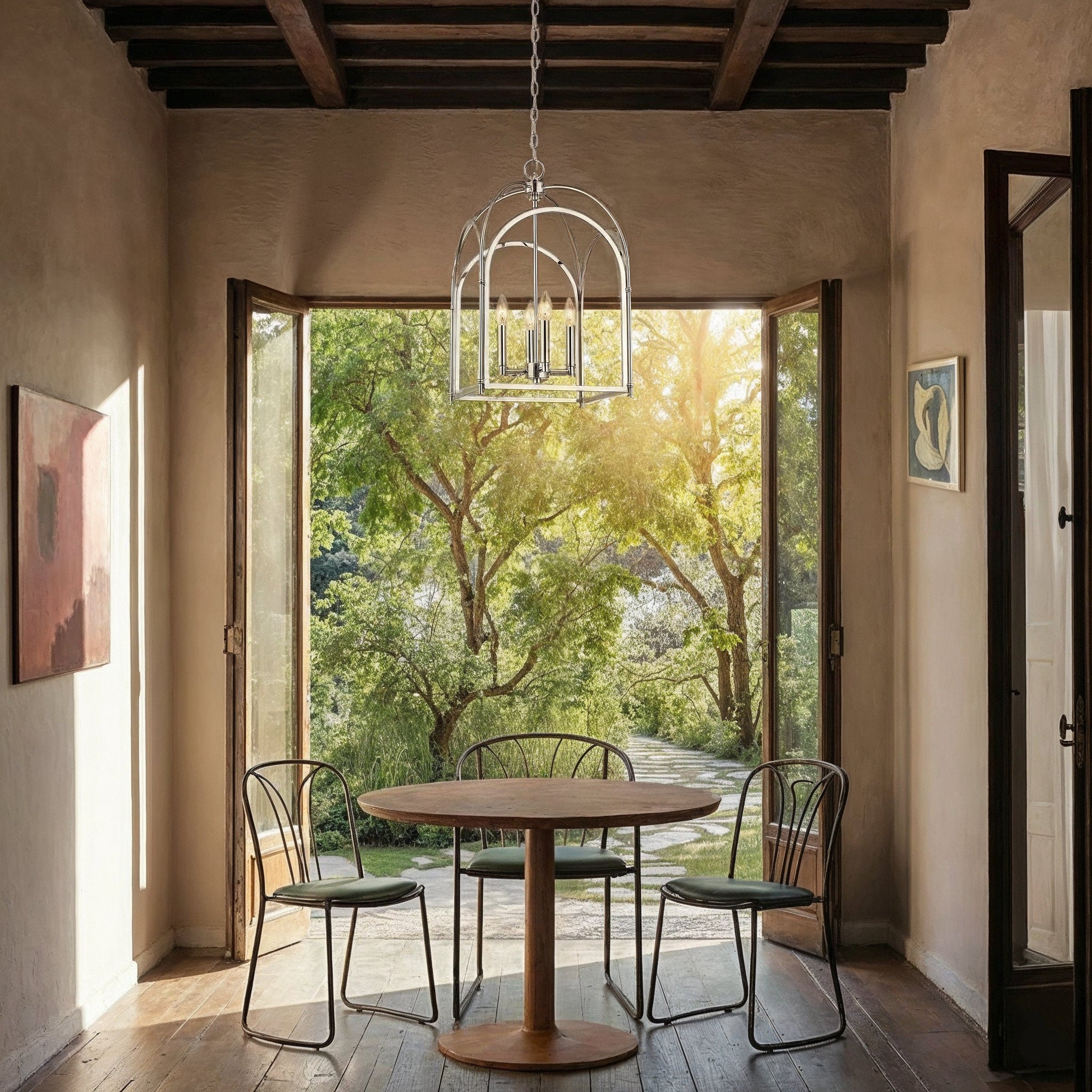
A modern organic living room is lit with natural textures, warm metals, and soft, low-glare light layered at several heights. Start with a sculptural fixture in rattan, rope, or another woven material as the ceiling focal point, then add linen-shaded table and floor lamps and a swing-arm sconce, all at 2700K–3000K on dimmers.
Modern organic design sits between minimalism and warmth. The lines are clean, but the materials are honest: oak and walnut, bouclé and linen, plaster walls, stone, handmade ceramics. Lighting has to follow the same rules. A glossy chrome fixture or a cool-white downlight grid will fight the room. Woven chandeliers, glazed ceramic lamps, aged brass, and fabric shades will quietly finish it. Below is a practical plan you can follow, and the exact fixtures we used to build this look.
What lighting works in a modern organic living room?
Think in terms of materials first, then shapes. Modern organic lighting usually shares three traits:
- Natural or tactile materials: rattan, abaca rope, raffia, linen, crackle-glazed ceramic, alabaster, and unlacquered or hand-rubbed brass.
- Soft, rounded silhouettes: drums, domes, gourds, and orbs rather than sharp angles or crystal drops.
- Diffused light: shades and woven frames that filter the light so walls glow rather than shine.
Keep the palette tight. Pick one warm metal (antique brass is the easiest) and repeat it two or three times around the room. Let the texture come from the shades and the chandelier itself rather than from a mix of competing finishes.
How do you layer light in a modern organic living room?
A living room needs at least three layers of light to feel right at every hour. Designers rarely rely on one ceiling fixture alone, and this style is especially dependent on lamps. For a deeper walkthrough of the method, read our guide on how to layer lighting like a designer.
- Ambient: a woven chandelier or pendant centered over the seating group or coffee table. It provides general light and, more importantly, the room's sculptural anchor.
- Task: a floor lamp beside a reading chair and table lamps at sofa ends. Aim for the bottom of the shade to land near eye level when seated, roughly 38–42 inches from the floor.
- Accent: a swing-arm sconce by a built-in or reading nook, or a picture light over art. Accent light gives the walls depth and makes the room feel larger at night.
Put each layer on its own dimmer. In the evening, the chandelier can drop to 30 percent while lamps carry the room, which is exactly the soft, enveloping glow this style is known for.
Shop the look
Tap the dots to shop this room

Shop the look

What size chandelier do you need for a living room?
Use the standard formula: add the room's length and width in feet, and that sum is a good starting diameter in inches. A 14' x 18' living room suggests a fixture around 32 inches wide. Woven fixtures read lighter than solid metal, so you can go a few inches larger without the fixture feeling heavy. For more detail, see our chandelier size guide.
| Room size | Suggested chandelier diameter | Minimum clearance below fixture |
|---|---|---|
| 12' x 12' | 22–26" | 7' in walkways |
| 14' x 16' | 28–32" | 7' in walkways |
| 16' x 20' | 34–38" | 7' in walkways |
| 18' x 22'+ | 38"+ or two fixtures | 7' in walkways |
In most living rooms with 8–9 foot ceilings, hang the bottom of the fixture at least 7 feet above the floor where people walk. If it sits over a coffee table, you can drop it a little lower, since no one passes directly beneath it.
What color temperature is best for a warm, organic look?
Choose 2700K for the coziest, most candle-like glow, or 3000K if the room has cool north light or gray-green walls. Avoid 4000K and above in a living room; it flattens natural materials and makes wood look gray. Look for bulbs with a CRI of 90 or higher so linen, leather, and wood tones render accurately.
| Layer | Kelvin | Notes |
|---|---|---|
| Chandelier | 2700K | Dimmable; woven frames cast pattern on the ceiling |
| Table lamps | 2700K | Linen shades soften and diffuse |
| Floor/reading lamp | 2700–3000K | Slightly brighter bulb for reading |
| Sconces/picture lights | 2700–3000K | High CRI to show art and texture |
How do you mix metals and natural materials without clutter?
Follow a simple ratio: roughly two-thirds natural material (rattan, ceramic, linen) to one-third metal. A rope chandelier, two ceramic lamps, and a brass floor lamp and sconce is a balanced set. Keep metal finishes warm and matte or hand-rubbed; polished chrome and bright nickel read too crisp for this style.
Scale matters just as much. If your chandelier is large and airy, keep lamps grounded and solid. If you choose a sculptural floor lamp, give the table lamps a quieter form. One statement per sightline is plenty.
Where should lamps go in an open-plan living room?
In an open plan, lighting defines the zones that walls normally would. Center the chandelier on the seating group rather than the architectural room, place a lamp at each corner of the conversation area if possible, and use a floor lamp to anchor a reading chair that might otherwise float. A good rule is that every seat should be within arm's reach of a light source you can control.
If you are pulling the whole house together, browse our lamp collection and chandeliers side by side so finishes and scale stay consistent from room to room. For more ideas beyond this particular look, our living room lighting ideas cover traditional and contemporary spaces too.
What mistakes make an organic living room feel flat at night?
- Relying on recessed cans alone. Downlights wash the floor and leave the walls dark, so natural textures disappear. Use them sparingly, if at all.
- Bulbs that are too cool or too bright. A 4000K bulb in a linen-shaded lamp undoes the whole palette. Standardize on warm, dimmable bulbs.
- Undersized fixtures. A small woven pendant over a large sectional looks like an afterthought. Use the sizing formula and err slightly larger.
- Too many finishes. Brass, black, chrome, and nickel in one room reads busy. Pick one metal and let materials do the rest.
Featured in this room
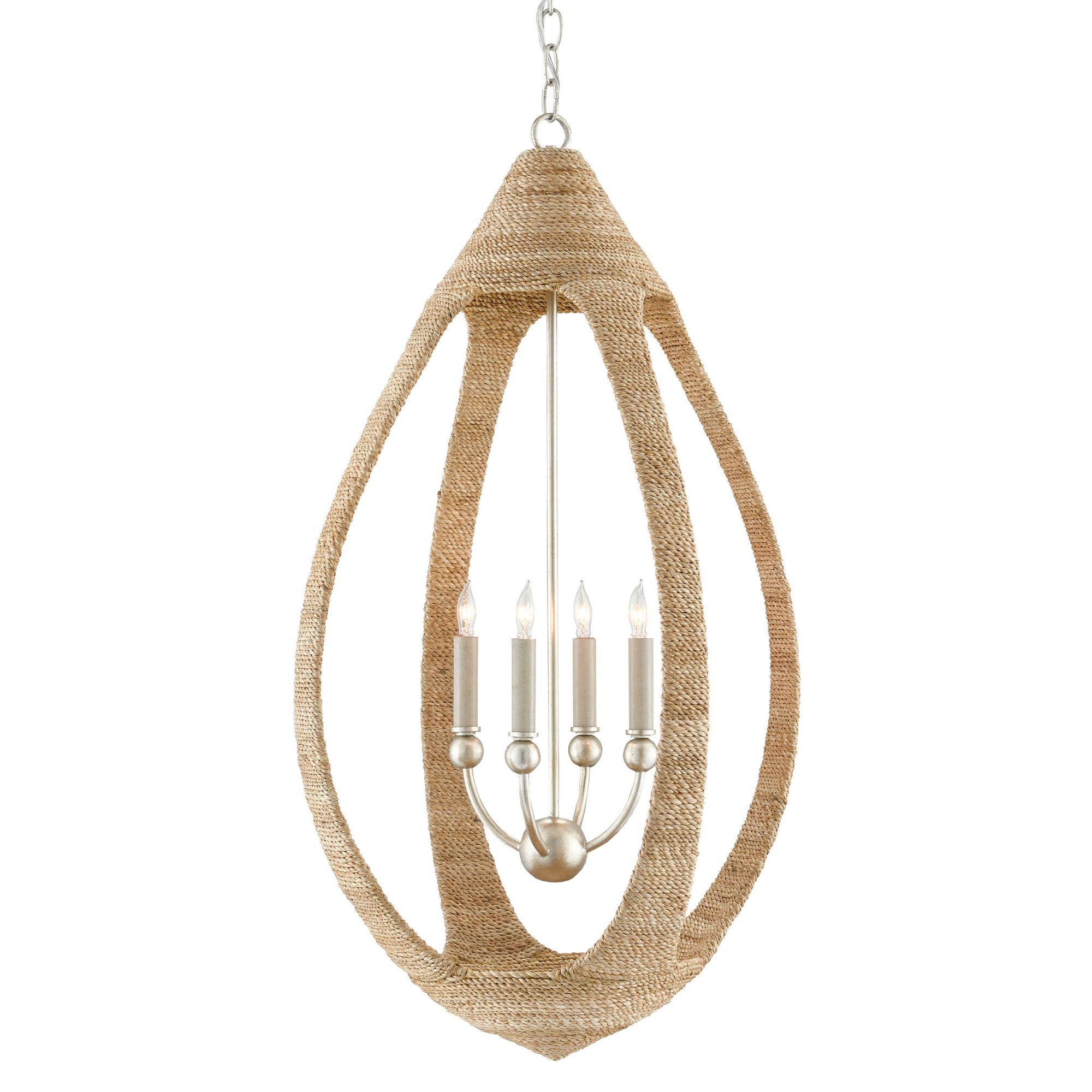
Menorca Medium Rope Chandelier by Currey & Company — The centerpiece. Natural abaca rope with smokewood and silver-leaf accents gives the room its textured focal point, and the rope texture reads beautifully in daylight and when dimmed at night. Hang it centered over the coffee table.
AERIN Culloden Table Lamp in Bone Craquelure — A crackle-glazed ceramic base with a linen shade, W18" x H32.5". The bone glaze has the quiet, earthy variation that defines modern organic style. Use a pair on the sofa-end tables.
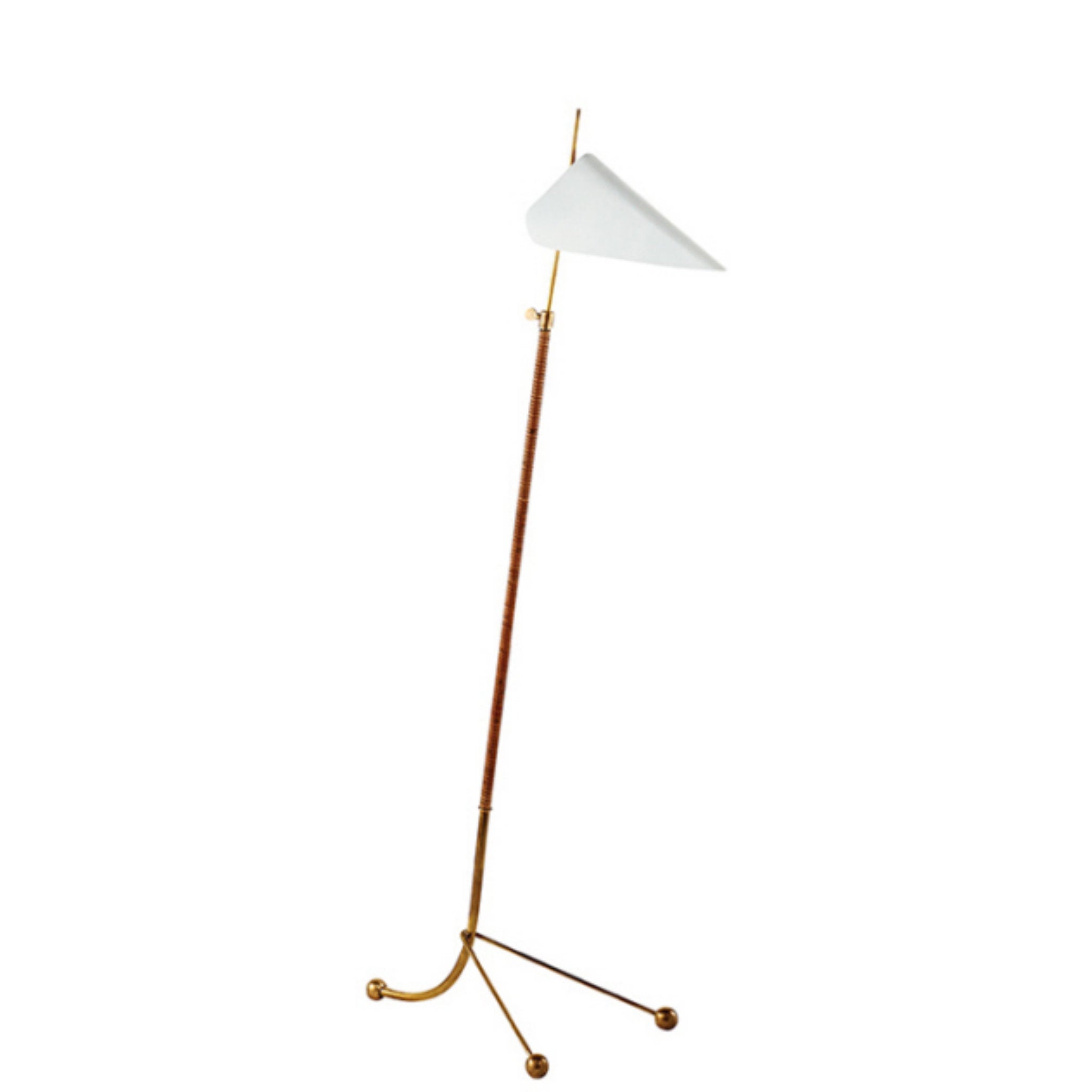
AERIN Moresby Floor Lamp in Hand-Rubbed Antique Brass with White Shade — W13" x H56" x E23". A slim, arching brass form that reaches over a lounge chair without taking up floor space. Its hand-rubbed finish ties the brass accents together.
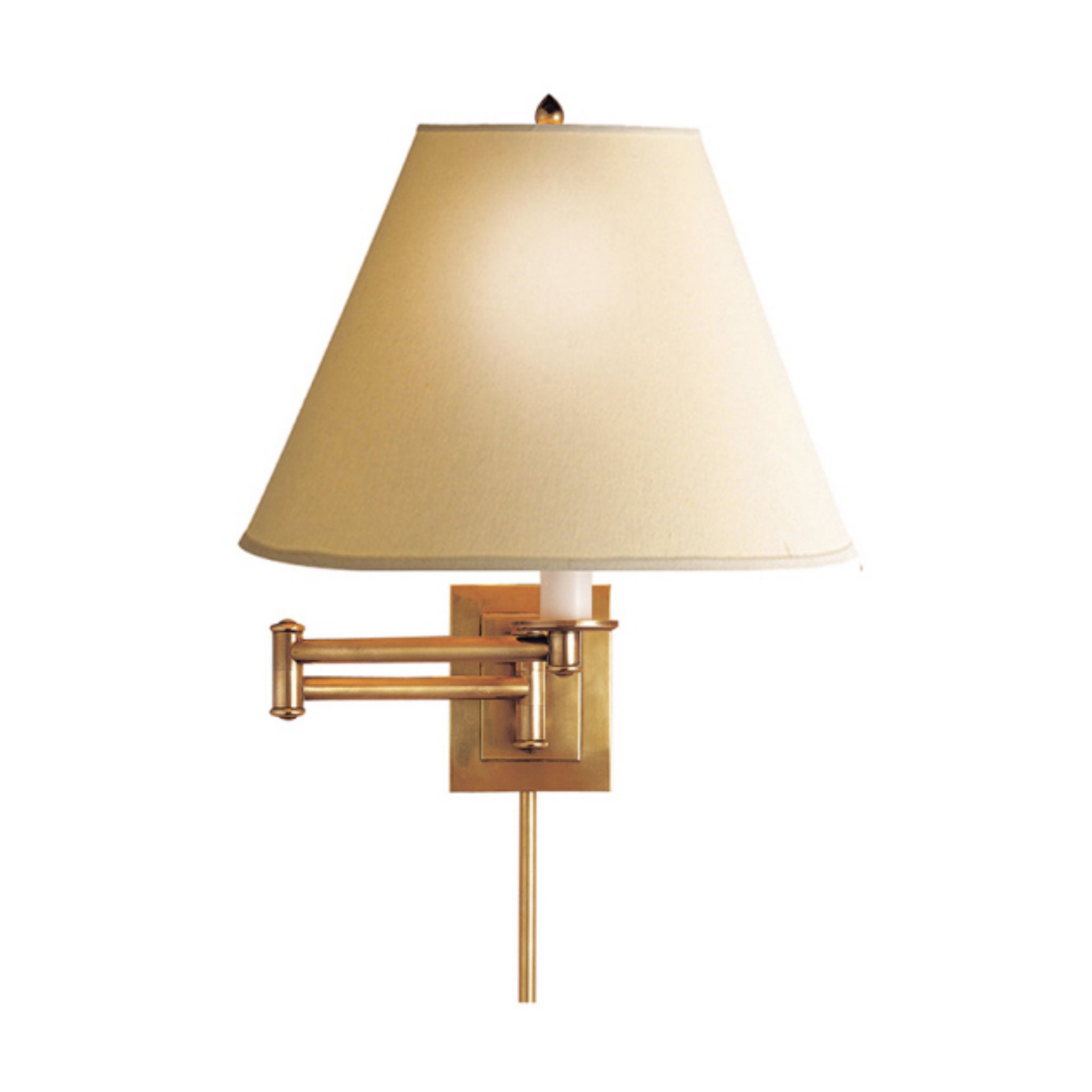
Visual Comfort Primitive Swing Arm in Hand-Rubbed Antique Brass with Linen Shade — W12" x H14" x E18.25". Mount it beside built-in shelving or a window seat for reading light that swings out of the way when not in use.
Bring the look home
Modern organic lighting is less about following a trend and more about choosing honest materials and a warm, dimmable glow. Start with one woven statement fixture, layer lamps at seated eye level, and keep every bulb at 2700K–3000K. If you are working with a designer or furnishing a full project, Foundry Lighting's Design Trade Program and our showrooms in New York and Los Angeles are good places to see finishes and textures in person. You can also browse in-stock best sellers for pieces ready for your project.
Shop this post
Frequently asked questions
What is modern organic interior design?
Modern organic design combines the clean lines and restraint of modern interiors with natural, tactile materials such as wood, stone, linen, rattan, and ceramic. The palette is usually warm and neutral, and lighting leans on woven fixtures, fabric shades, and warm metals like antique brass rather than chrome or crystal.
Are rattan chandeliers still in style?
Yes. Rattan and other woven chandeliers remain a staple of modern organic, coastal, and transitional interiors because they add texture and warmth without visual weight. Choosing a refined shape with a quality finish keeps the fixture from feeling like a passing trend.
How many lamps should a living room have?
Most living rooms benefit from three to five light sources beyond the ceiling fixture: typically a pair of table lamps at the sofa, a floor lamp by a reading chair, and a sconce or picture light for accent. The goal is to have a controllable light within reach of every seat.
What light bulb color is best for a cozy living room?
A 2700K bulb gives the warmest, most relaxing glow and suits most living rooms. Use 3000K if the room gets cool northern light or has gray or green walls. Choose bulbs rated CRI 90 or higher so wood, fabric, and skin tones look natural.
Can you hang a chandelier in a living room with an 8-foot ceiling?
Yes, as long as the fixture keeps about 7 feet of clearance where people walk. Over a coffee table, where no one passes beneath, it can hang slightly lower. Choose a fixture with a compact height or a semi-flush profile if clearance is tight.
Designing a whole room?
Our lighting specialists help size and pair fixtures every day, and interior designers and architects can join the Design Trade Program. Browse more ideas in Inspiration.