

Article: Artisan Lighting: Hand-Forged Iron and Handcrafted Fixtures

Artisan Lighting: Hand-Forged Iron and Handcrafted Fixtures
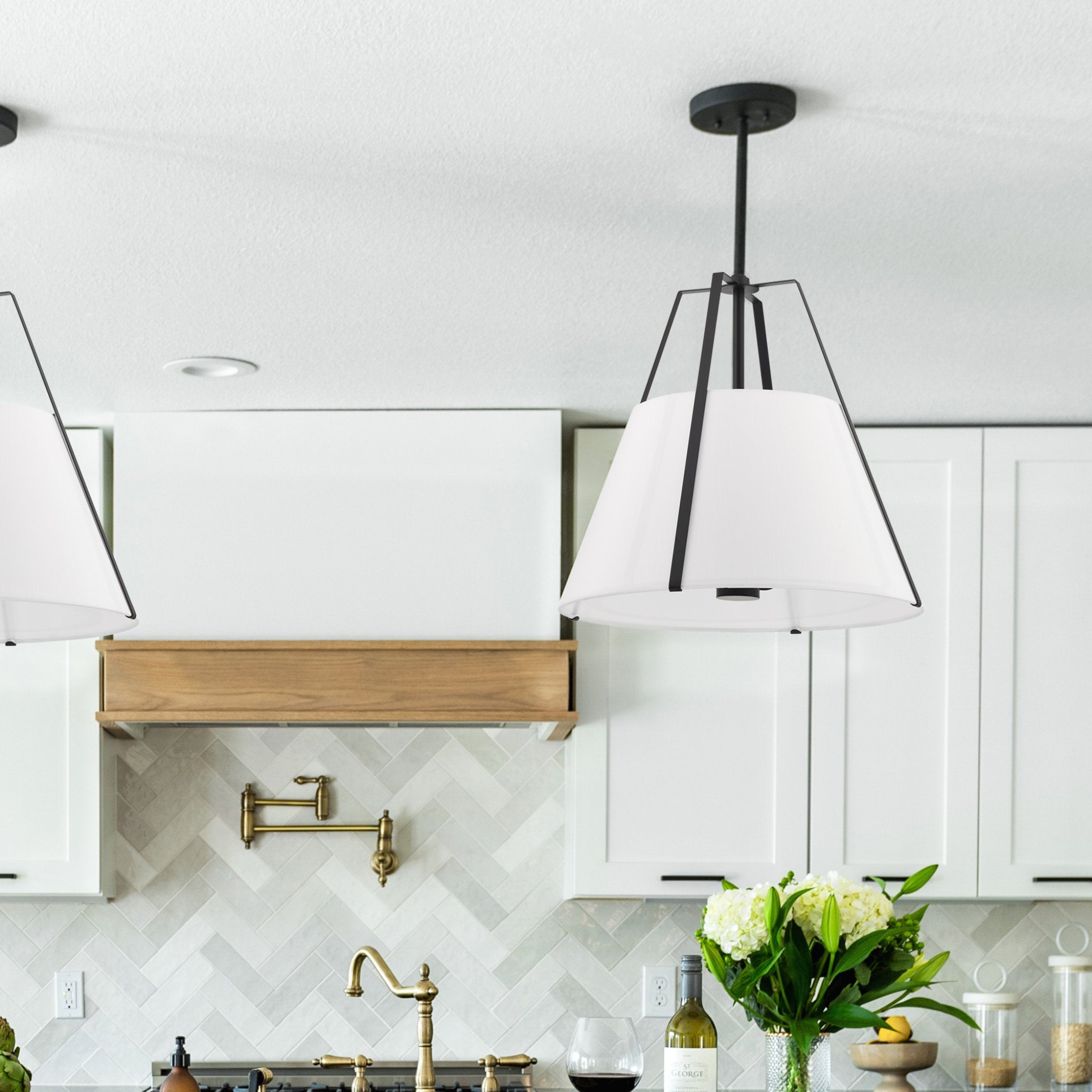
Artisan lighting is lighting where the maker's hand still shows: hand-forged or hand-worked iron, hammered and rubbed finishes, hand-wrapped rope and rattan, and hand-blown or mercury glass. To use it well, let one textured iron fixture lead the room, repeat that dark metal once or twice, and soften it with natural materials and warm 2700K light.
Mass-produced fixtures aim for perfect uniformity. Artisan fixtures do the opposite: slight variations in a forged arm, a patina that differs from piece to piece, or a woven shade with visible texture are the point. That character is why hand-forged iron lighting has moved beyond mountain lodges into city apartments, modern farmhouses and European-style kitchens. This guide explains what to look for, how to size and place artisan pieces, and five in-stock fixtures with a handcrafted feel.
What makes a light fixture "artisan"?
"Artisan" is not a regulated term, so look for evidence in the materials and finish rather than the label:
- Worked metal. Iron that has been forged, bent or hammered, often left with a textured, slightly irregular surface. Finishes like aged iron, blackened rust, textured iron and heritage bronze are applied by hand and vary subtly.
- Hand-applied finishes. Rubbed, gilded and patinated surfaces where highlights and low spots differ, catching light the way old hardware does.
- Natural, hand-wrapped materials. Abaca rope, rattan and wicker wrapped or woven over a frame.
- Character glass. Seeded, mercury or antique mirror glass that softens and scatters light.
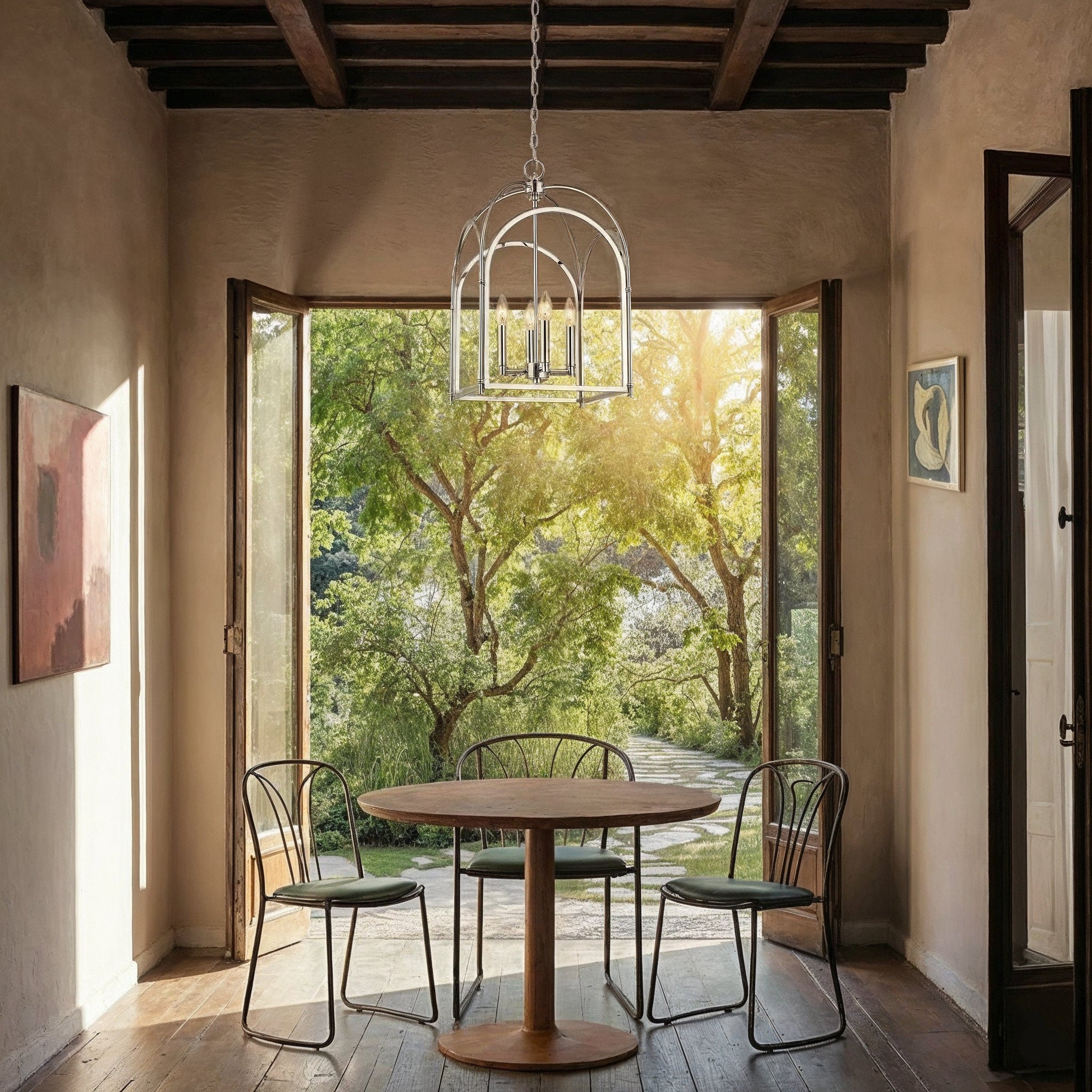
- Traditional forms. Lanterns, star lanterns, branch sconces and candle-style chandeliers that trace back to blacksmith and tinsmith traditions.
Is hand-forged iron lighting still in style?
Yes, because it is less a trend than a material. Dark iron works as a graphic line in a pale room, which is why it shows up in modern organic, Scandinavian, modern farmhouse and old-world European interiors alike. What has changed is the silhouette: lighter frames, fewer scrolls and more open, sculptural shapes. If you want iron that feels current, choose a clean form in a textured finish rather than an ornate form in a flat black.
| Finish or material | Look | Pairs well with | Best rooms |
|---|---|---|---|
| Aged or textured iron | Dark charcoal with subtle highlights | White oak, limewash, linen, stone | Dining rooms, kitchens, entries |
| Blackened rust | Near-black with warm brown undertone | Terracotta, leather, walnut | Mudrooms, stair halls, porches (indoor-rated) |
| Heritage or earthen bronze | Deep brown with warm variation | Brass accents, cream walls, rush seating | Living rooms, libraries |
| Gilded iron | Iron with worn gold highlights | Antiques, velvet, patterned rugs | Bedrooms, powder rooms |
| Hand-wrapped abaca rope or rattan | Soft, organic texture | Iron, black accents, plaster | Living rooms, bedrooms, sunrooms |
Shop the look
Tap the dots to shop this room

Shop the look
How do you size and place an iron chandelier?
Iron fixtures look visually heavier than brass or glass of the same size, so size with care. Start with the standard formula: room length plus width in feet equals chandelier diameter in inches. Over a table, keep the fixture about half to two-thirds of the table width. For open, airy iron frames you can go to the top of that range; for solid or dense forms, stay toward the lower end.
Hang the bottom of a dining chandelier 30 to 36 inches above the table on an 8-foot ceiling, adding roughly 3 inches per additional foot of height. In a kitchen, island pendants go 30 to 36 inches above the counter. Anywhere people walk underneath, keep at least 7 feet of clearance. Our chandelier sizing guide walks through the math with examples.
How do you keep artisan lighting from feeling rustic?
Handcrafted fixtures can tip into lodge style fast. A few habits keep them refined:
- Limit the dark metal. One statement iron fixture plus one or two smaller iron accents per room is usually enough.
- Balance with softness. Linen shades, plaster walls, bouclé or wool upholstery and light woods keep iron from looking heavy.
- Mix in one warm metal. A touch of brass or gilding on a lamp or sconce keeps the palette from going flat.
- Use warm, dimmable light. Choose 2700K LED bulbs with CRI 90+ and put fixtures on dimmers. Cool light on dark iron looks harsh.
- Repeat textures, not shapes. Pair a forged chandelier with a rope-wrapped lamp rather than a second forged fixture of the same style.
How can you judge quality in a handcrafted fixture?
Photos flatten texture, so read the specifications and look closely at details before you buy:
- Weight and gauge. Solid iron and heavier-gauge frames feel substantial and hold their shape. Check the fixture weight and make sure your ceiling box is rated for it.
- Finish depth. A good hand-applied finish has layers: a base color, highlights on edges and softer low spots. A single flat coat of black paint reads as mass-produced.
- Joinery. Look for clean welds, neat collars and hardware that matches the finish. Visible screws in a mismatched metal are a warning sign.
- Adjustability. Chandeliers and pendants should include enough chain or rod to hit the right height on your ceiling, and a canopy that fits a standard junction box.
- Ratings. Indoor fixtures should carry a dry or damp rating that suits the room; use damp-rated fixtures in covered porches and bathrooms.
Expect some variation in color and texture between two of the same fixture. With hand-finished pieces, that is a feature, not a defect.
Featured in this room
Our hero room is a modern European dining room with limewashed walls, a white oak table and rush-seat chairs. These in-stock pieces bring the handcrafted feel.
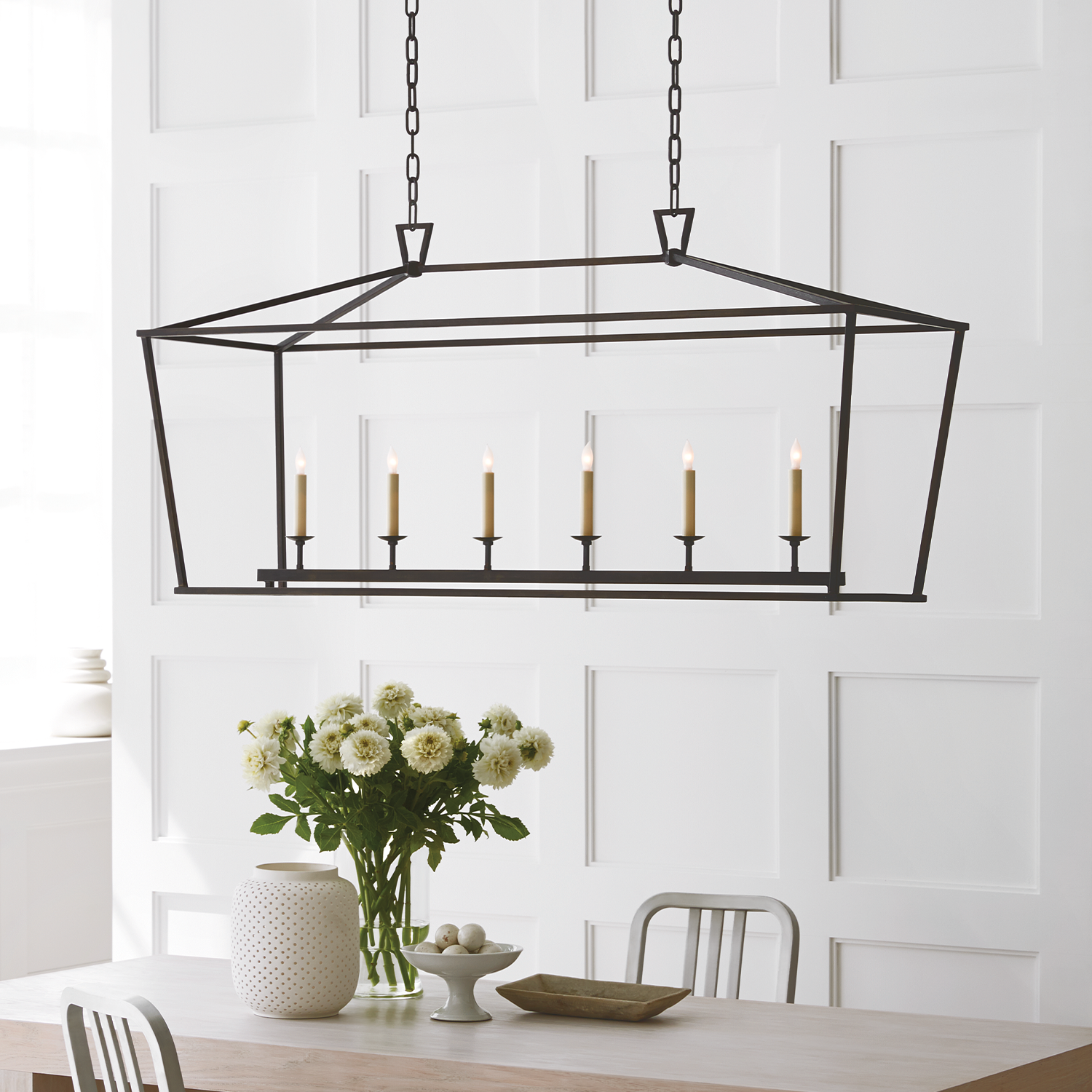
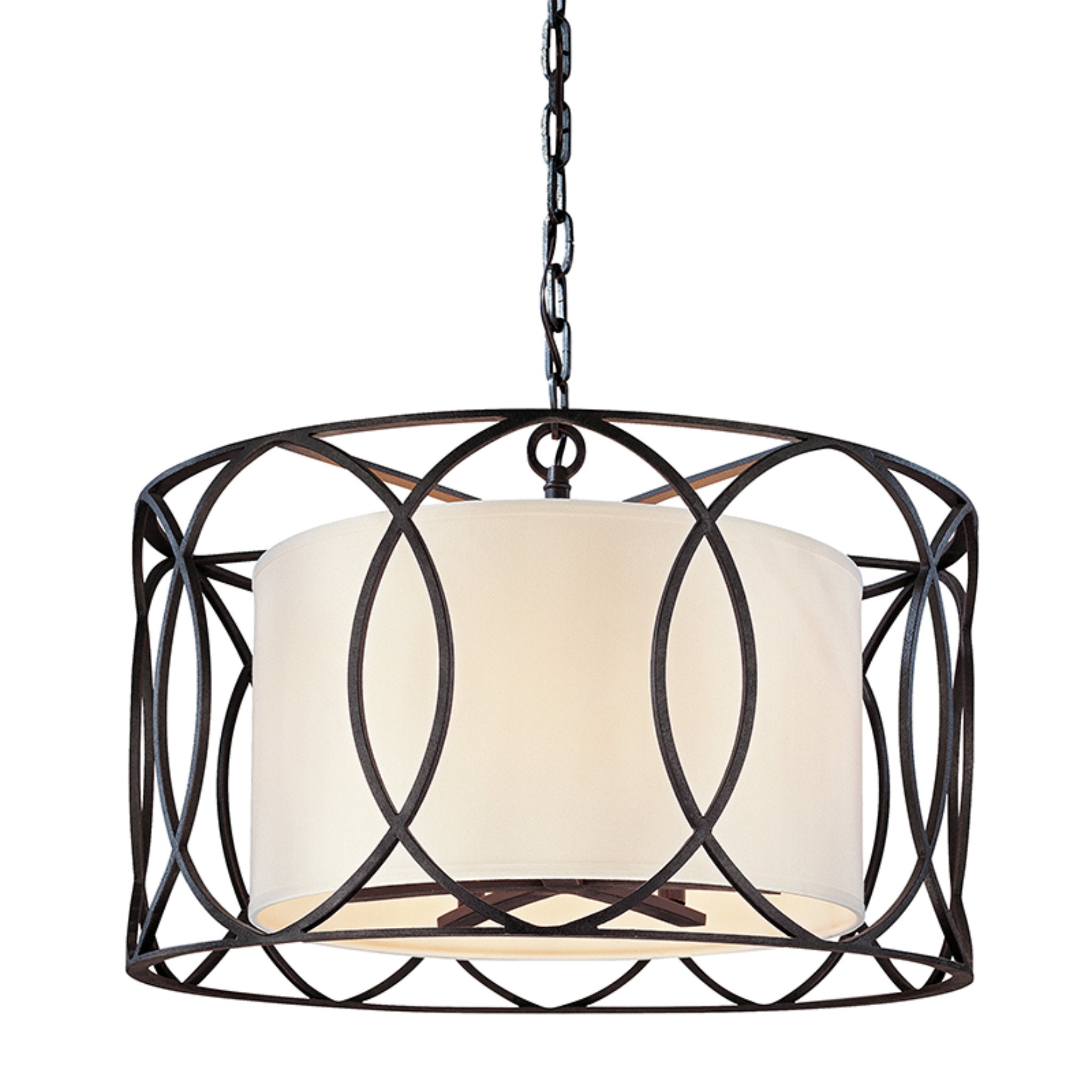
Troy Lighting Sausalito 5-Light Chandelier in Textured Iron (25W x 16.5H). A low, wide iron chandelier with a textured finish and a relaxed, hand-worked character. At 25 inches wide and just over 16 inches tall, it suits a table around 40 to 48 inches wide and rooms with standard ceilings. It is the centerpiece over our dining table.
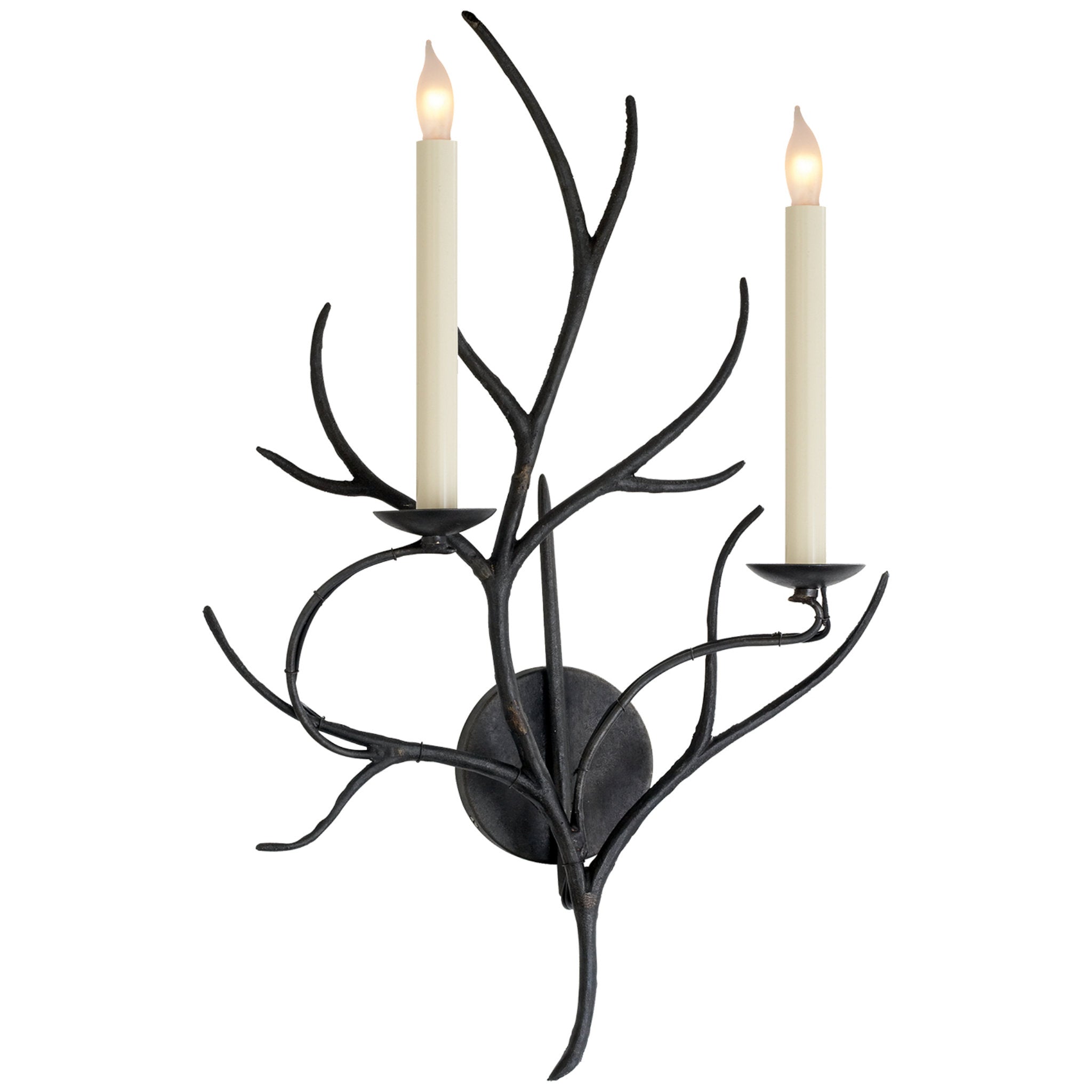
Chapman & Myers Branch Sconce in Aged Iron (W15" x H22.75"). Organic branch arms rendered in aged iron, like a piece of sculpture that happens to hold light. Hang a pair on either side of a sideboard with centers around 60 to 66 inches from the floor.
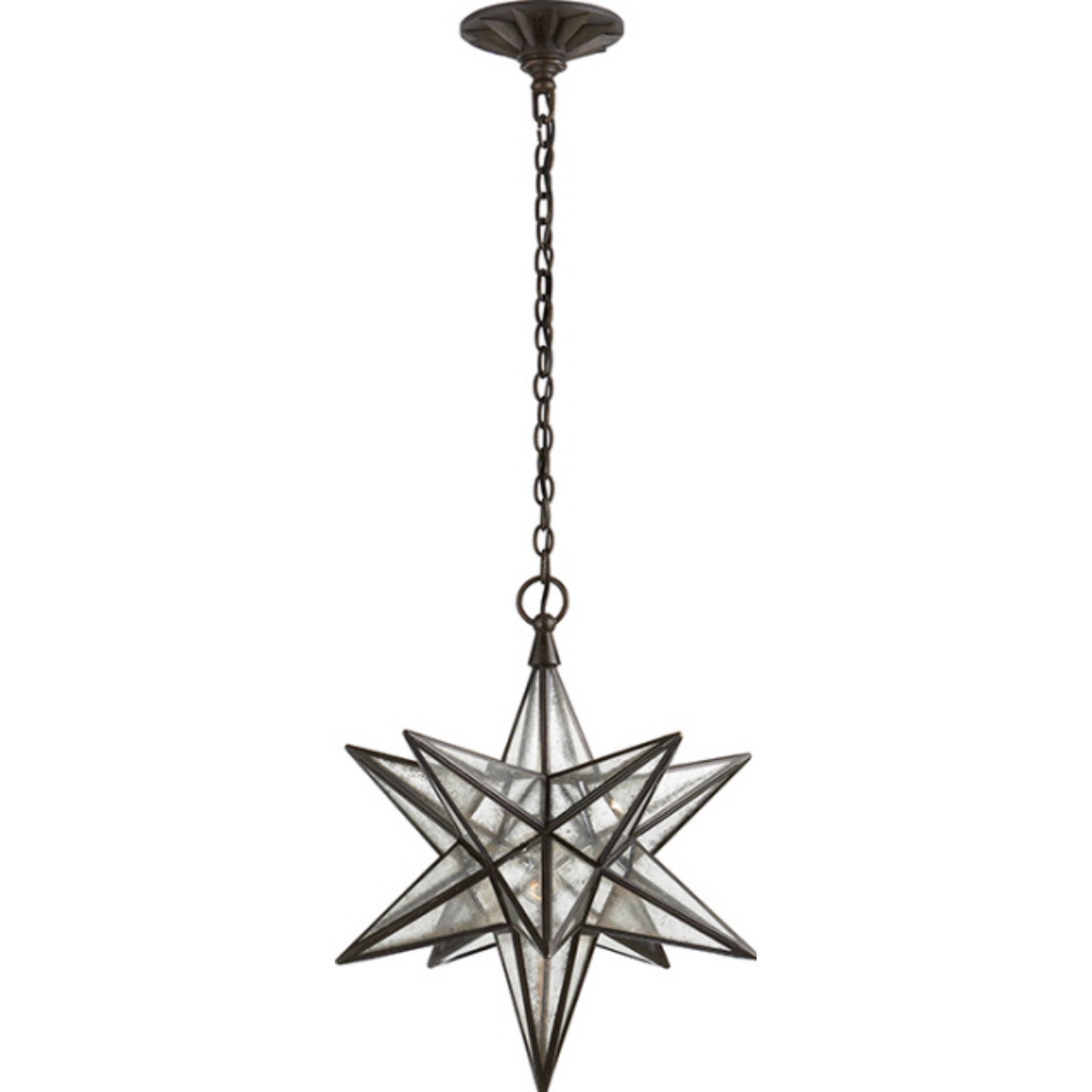
Chapman & Myers Moravian Medium Star Lantern in Aged Iron with Antique Mirror (W15.5" x H20"). The star lantern is one of the most recognizable handcrafted forms, and the antique mirror panels scatter soft, dappled light. Use it in an entry, stair landing or reading nook; in our room it hangs in the adjoining hall.
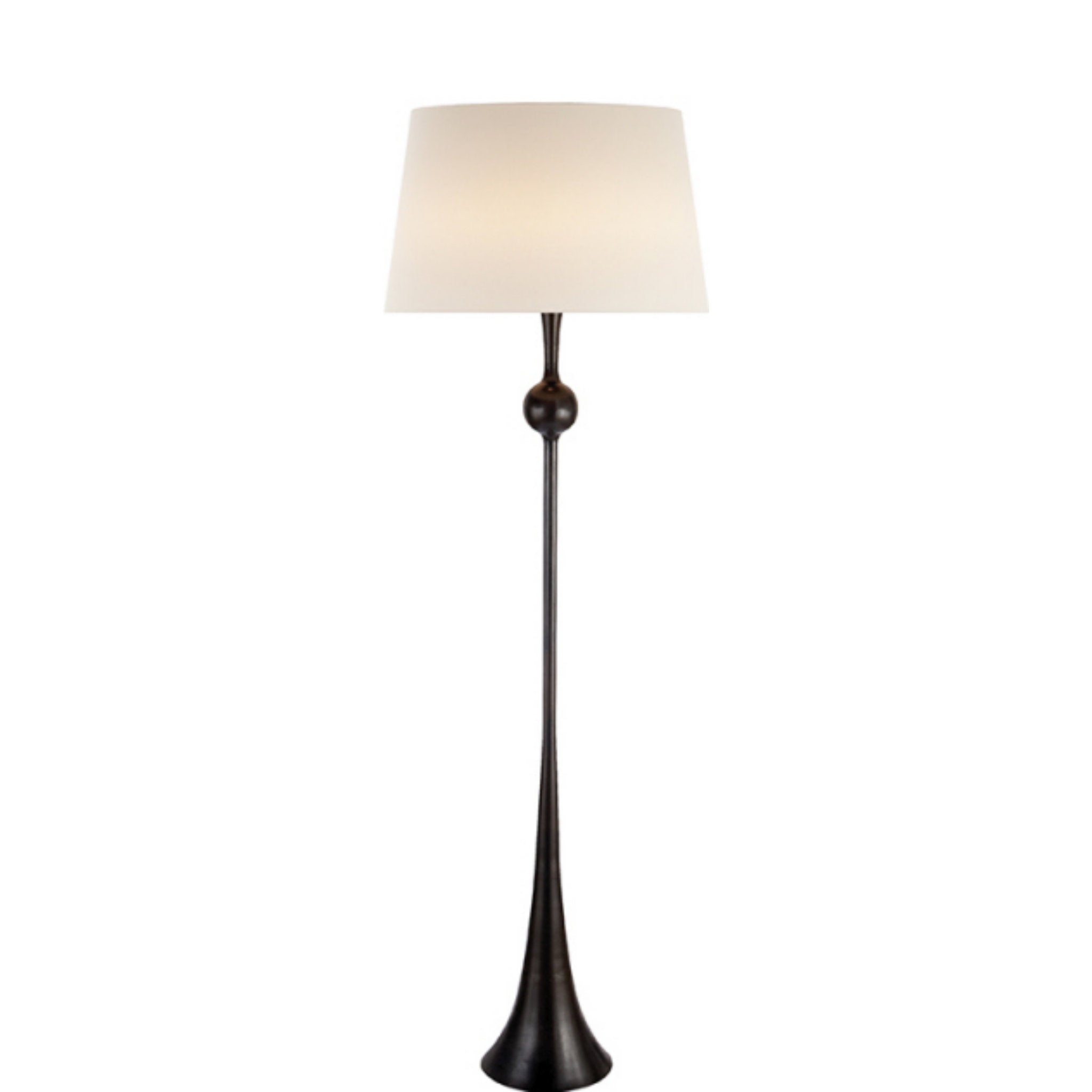
AERIN Dover Floor Lamp in Aged Iron with Linen Shade (W21.5" x H63.5"). A simple, graceful iron form topped with linen, perfect for balancing a harder chandelier. Place it beside an upholstered chair in the corner of the dining room or living room.
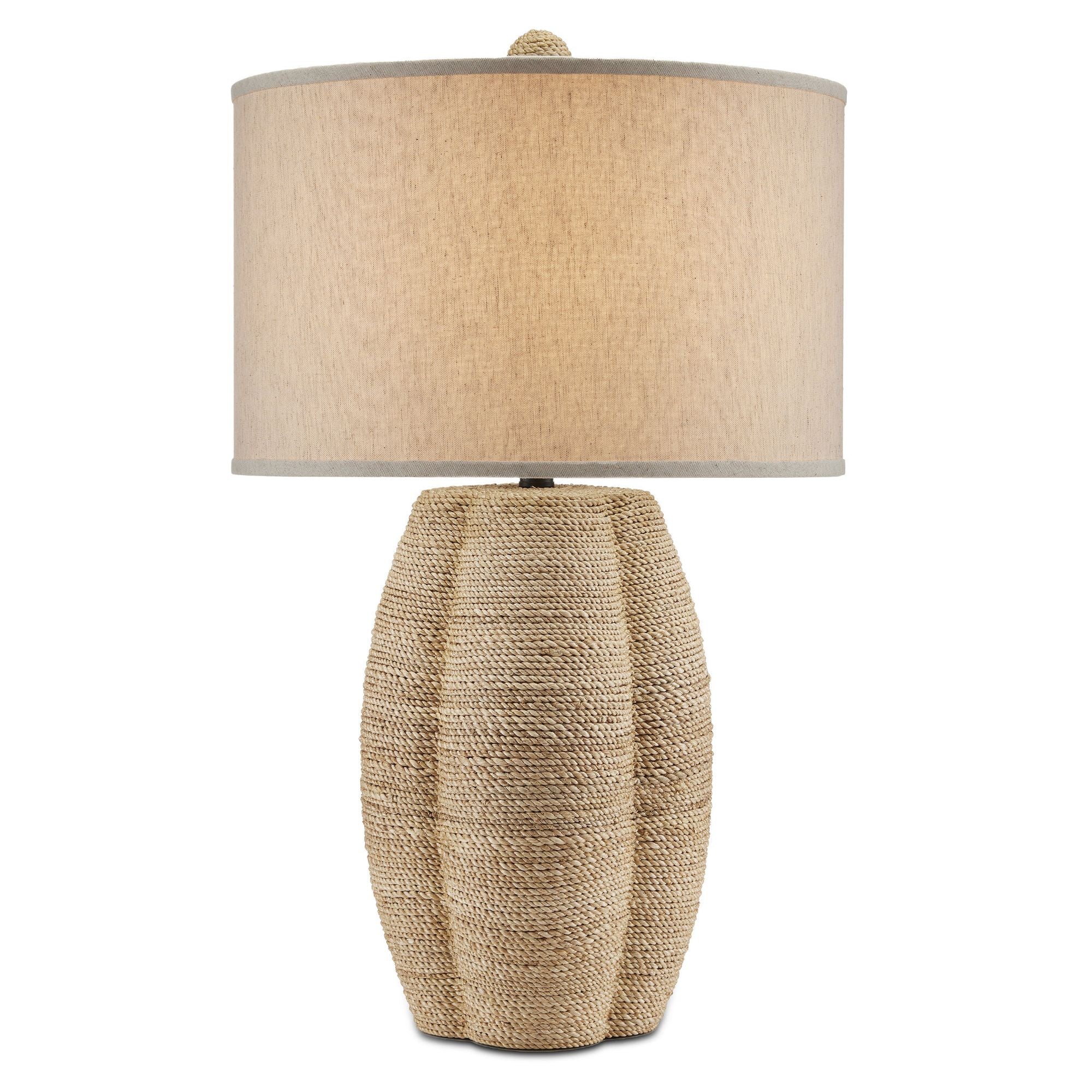
Currey & Company Karnak Rope Table Lamp (natural abaca rope and satin black). Wrapped abaca rope adds the soft, hand-finished texture that keeps iron from feeling severe. It sits on our sideboard between the branch sconces.
Where else does artisan lighting work?
Beyond dining rooms, artisan pieces shine in kitchens (a lantern over a farmhouse table), entries (a star lantern or forged pendant), bedrooms (gilded iron sconces instead of lamps) and covered porches (use fixtures rated for outdoor use there). For layout ideas, see our guide to layering lighting like a designer, and browse our chandeliers, wall lights and lamps for more handcrafted finishes.
Designers sourcing artisan pieces for clients can join Foundry Lighting's Design Trade Program, and our New York and Los Angeles showrooms are a good place to see how hand-applied finishes vary in person.
Shop this post
Frequently asked questions
What is hand-forged iron lighting?
Hand-forged iron lighting is made by heating and shaping iron with hammers and tools rather than stamping or casting it, so arms, scrolls and frames show slight variations. Today the term is often used loosely for hand-worked or hand-finished iron fixtures. Look at the finish and construction details, not just the label, to judge how handcrafted a piece really is.
Does black iron lighting go with brass?
Yes. Iron and brass are a classic pairing. Let one metal lead, usually the largest fixture, and use the other as an accent on a lamp, sconce or hardware. Warm brass keeps dark iron from feeling heavy, and iron gives brass a graphic outline. Keep bulb color consistent, ideally 2700K, so both metals look warm.
Can you use iron chandeliers in a modern home?
Iron works well in modern rooms when the silhouette is clean and open. Choose simple frames, geometric forms or sculptural branches over heavy scrolls, and set them against pale walls so the dark metal reads as a drawing in space. Pair with light woods, plaster and linen to keep the room feeling fresh.
How do you clean aged iron light fixtures?
Turn off the power and let bulbs cool, then dust with a soft dry cloth or brush. Avoid water, household cleaners and abrasives, which can strip or spot hand-applied finishes. For glass panels or shades, remove them if possible and clean separately. Always follow the manufacturer's care instructions for your specific fixture.
What bulbs look best in iron fixtures?
Warm white LED bulbs around 2700K look best with dark iron, rendering wood and textiles in a flattering way. Choose CRI 90 or higher and dimmable bulbs. On candle-style chandeliers, use candelabra LEDs with a soft filament look; on lanterns with clear or seeded glass, a decorative bulb is part of the design.
Designing a whole room?
Our lighting specialists help size and pair fixtures every day, and interior designers and architects can join the Design Trade Program. Browse more ideas in Inspiration.